How To Stay Safe During Winter Sports
The golova guide to shredding the slopes and coming home in one piece — so you can lift, bash, and eat shawarma another day.

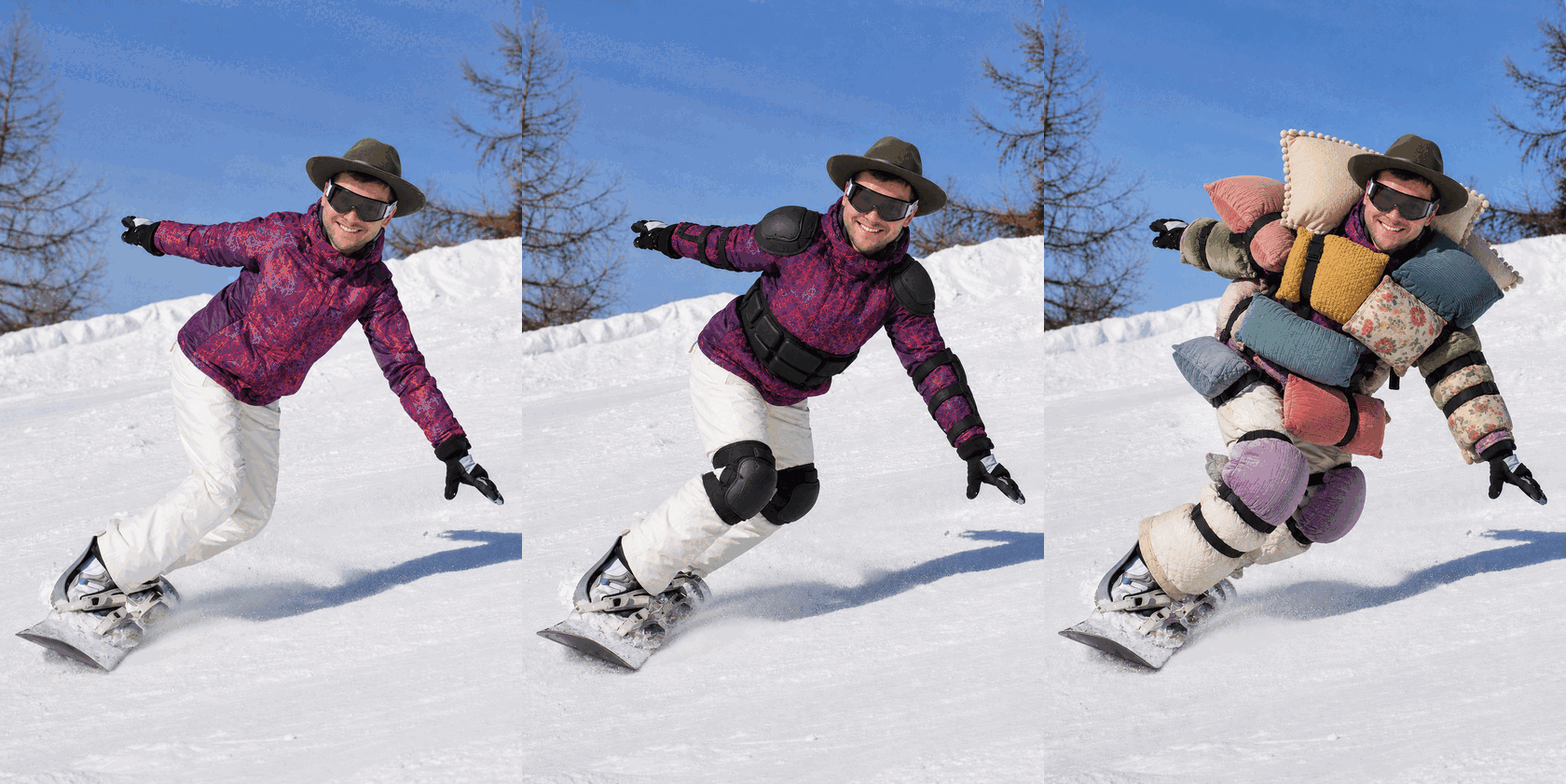
The golova approach to safety, in three frames: when in doubt, add more padding.
Winter sports are the best — snowboarding, skiing, sledding down a hill you probably shouldn't. But snow is cold, mountains are steep, and gravity is undefeated. Dr. Dyadya Dima has taken the tumbles so you don't have to. Here's how the crew stays safe (and warm) all season.
01Know before you go
- Check the weather and conditions — visibility, temperature, wind, and avalanche risk in the backcountry.
- Never ride alone. Bring a buddy and tell someone your plan and when you'll be back.
- Stay on marked, open runs that match your level. Closed means closed.
- Keep your phone charged and know where the ski patrol / first-aid hut is.
02Gear up like you mean it
Style is temporary; a healthy skull is forever. Protect the golova:
- A properly-fitted helmet, every single time. Non-negotiable.
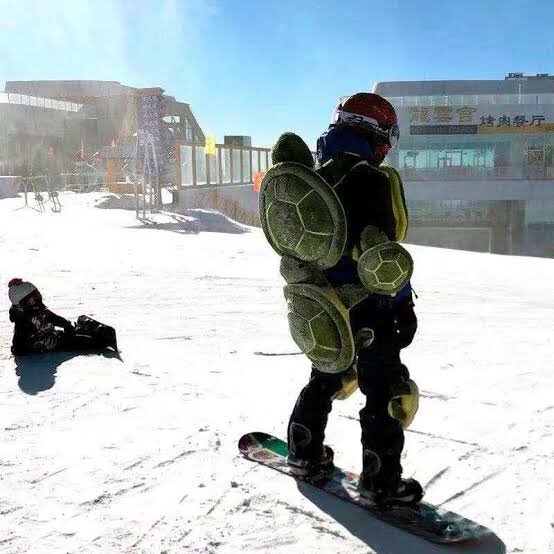
- Wrist guards, knee & elbow pads, and even a back protector for the sends.
- Goggles with UV protection — snow blindness is real, and the sun bounces right off the snow.
- Warm, moisture-wicking layers (not cotton) and the right boots for your sport.
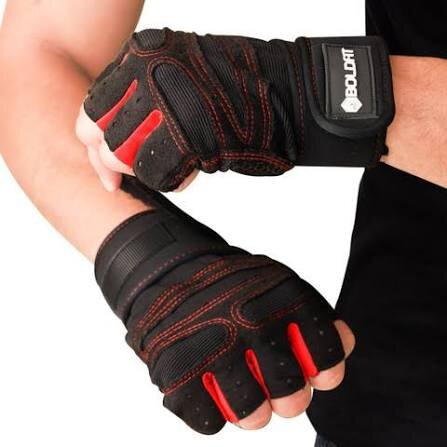
🧤 Rule #1: ALWAYS wear the gloves
We don't care how warm it feels, how short the run is, or how cool your bare hands look. Always wear the gloves. Your hands hit the ground first in every fall, they're the first thing frostbite comes for, and grip = control. No gloves, no golova. This is the law.
03Warm up & know your limits
- Do a proper warm-up — cold muscles snap, warm muscles bend. Dr Mike would insist.
- Start on easy runs and build up. Ego is the #1 cause of the yard sale.
- Take breaks, eat, and hydrate — you dehydrate in the cold too, you just don't notice.
- Stop when you're tired. Most injuries happen on that "one last run."
04Respect the cold
- Dress in layers you can add or shed; keep a dry set for after.
- Watch for frostbite (numb, white, waxy skin) and hypothermia (shivering, confusion) — in yourself and your buddies.
- Cover exposed skin, wear a neck gaiter, and yes — the gloves (see Rule #1).
- Sunscreen on the face. Snow reflects up to 80% of UV. You will get burned from below.
The three golova rules of winter
1) Helmet on, always. 2) The gloves stay on, always. 3) Come home to the crew — no run is worth missing shawarma night.
♨️ And to finish: the sauna
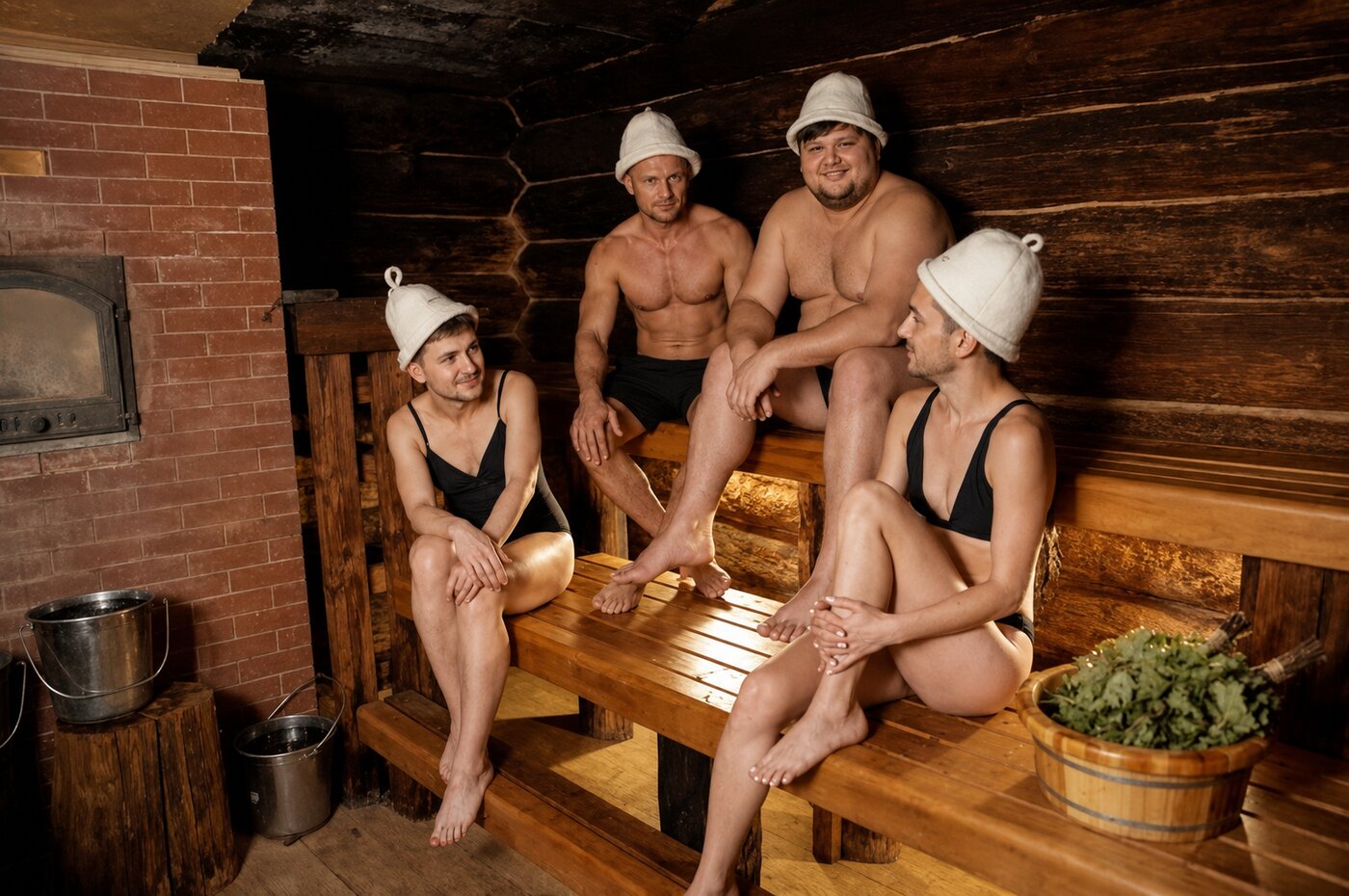
After a full day in the cold, there is only one correct ending: a sauna with friends and family. It warms you to the bone, loosens the muscles you just abused, and — most importantly — it's where the crew laughs about every wipeout of the day. Good for the body, better for the soul. This is the way.
⚕️ Disclaimer: "Dr. Dyadya Dima" is a beloved member of the Golovilia family, not a licensed physician or certified instructor. This is friendly general advice, not professional safety training. Take a lesson, follow local rules and patrol, and know your limits. Now go wear the gloves.
← Back to the Blog